Guns, Gas, and Governance: Why the Crisis in Mozambique’s Cabo Delgado is a Global Red Zone
Explore the complex insurgency in Mozambique's Cabo Delgado. Analyze the interplay between Islamic State-affiliated violence, the $20 billion LNG gas project, and the humanitarian crisis shaping Southern Africa’s security landscape in 2026.
By Atef Mahmoud Dobal, Political Science Researcher
1/8/20263 min read
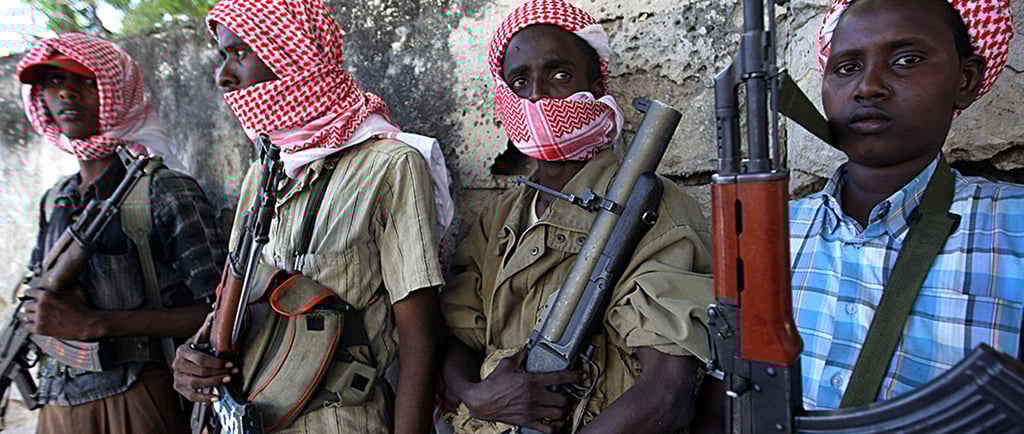
Since 2017, Mozambique’s northern province of Cabo Delgado has transformed from a quiet coastal region into one of Sub-Saharan Africa's most volatile flashpoints. What began as localized socio-economic unrest has spiraled into a sophisticated insurgency affiliated with the Islamic State, leaving thousands dead and hundreds of thousands displaced.
This is not just a local skirmish; it is a high-stakes collision between global energy interests and regional instability. At the heart of the conflict lies the $20 billion Mozambique LNG project, a massive investment currently stalled by violence. The crisis represents a critical litmus test for the "security-development nexus": Can a state protect its most valuable economic assets while simultaneously addressing the deep-seated grievances of its people?
From Local Grievances to Global Extremism
The evolution of the Cabo Delgado insurgency is a cautionary tale of how local neglect can provide fertile ground for global extremism. Since its inception, the movement has shifted from a disorganized group of protesters into a disciplined armed entity with formal ties to the Islamic State (IS). This affiliation has brought a level of brutality previously unseen in the region.
The humanitarian cost is staggering. Data from the United Nations and specialized monitoring agencies confirm that the violence has forced over 700,000 people from their homes. The strategic stakes reached a breaking point in 2021 during the attack on the town of Palma. This assault forced TotalEnergies to declare force majeure and withdraw its workforce from the Afungi site, effectively freezing one of the largest investment projects on the African continent.
Despite the 2021 intervention by Rwandan combat forces and the Southern African Development Community (SAMIM), the threat remains. While these forces restored temporary authority in some districts, they have not yet neutralized the insurgents' ability to strike at the heart of the province’s logistical hubs.
A Fragile Front Line: The Persistence of Violence
Recent events in late 2025 demonstrate that the insurgency is far from defeated. In early September, a wave of coordinated strikes underscored the militants' tactical reach:
Targeting Logistics: On September 7, 2025, insurgents attacked Mocímboa da Praia—a vital port just 80 kilometers south of the TotalEnergies site. The brutality of the raid, which included targeted killings and beheadings, serves as a grim reminder of the insecurity surrounding critical energy infrastructure.
Economic Sabotage: A day earlier, in Muidumbe, militants killed at least six civilians and looted agricultural harvests. By destroying the primary livelihoods of the population—farming and fishing—the insurgency ensures a cycle of displacement and dependency.
By the end of mid-2025, the surge in violence in southern Cabo Delgado had already displaced more than 57,000 people in the Quirimbas District alone.
The Battle for "Hearts and Minds"
The military response itself has become a double-edged sword. While security forces are essential for stability, reports of misconduct by the Mozambican Armed Forces (FADM) risk alienating the very population they are meant to protect.
In September 2025, reports emerged of government troops killing sixteen fishermen near Rolas Island during an anti-insurgent sweep. This followed a similar incident in August where naval forces opened fire on civilian vessels. These actions create a "legitimacy vacuum"—a space where local resentment grows, making it easier for extremist groups to recruit marginalized youth who feel targeted by their own government.
The High Stakes of a Stalled Engine
To understand why Cabo Delgado matters to the world, one must look at the intersection of security and the economy. The proximity of the conflict to the Afungi gas facilities creates a climate of persistent risk that prevents the resumption of full-scale operations.
The continued suspension of these projects deprives Mozambique of essential revenue, threatening long-term macroeconomic stability. Furthermore, the insurgents' ability to adapt despite international military intervention suggests a sophisticated intelligence network that the state has yet to dismantle.
The Path Forward: Three Potential Futures
The trajectory of this conflict will likely follow one of three paths, each with profound implications for Southern Africa:
The Status Quo: A "war of attrition" where intermittent violence continues, LNG projects remain stalled, and the population lives in a state of permanent displacement.
Militarized Escalation: A large-scale offensive that may gain territory but risks further alienating civilians through collateral damage and human rights abuses, fueling the insurgency’s narrative.
The Comprehensive Approach: A shift toward a holistic strategy. This involves integrating military security with transparent governance, human rights accountability, and inclusive economic development.
Conclusion: Beyond a Military Solution
The crisis in Cabo Delgado is a multidimensional challenge that cannot be solved by firepower alone. While military intervention has provided a necessary buffer against insurgent expansion, a sustainable resolution requires the Mozambican government to look beyond the perimeter of gas plants.
To secure its energy future and the safety of its citizens, Mozambique must prioritize institutional reform and address the root causes of marginalization. The future of Cabo Delgado will ultimately determine whether the nation can transform its natural wealth into lasting stability or remains caught in a cycle of resource-fueled conflict.
Download the full study here.
Follow African Narratives
Amplifying African voices for sustainable progress together.
Contact US
Connect
Street No. 3281, N'Djamena, Republic of Chad.
© 2026. All rights reserved.