Beyond the "Colonial" Myth: The Real Stakes of the Nile Crisis
By Mohamed Samir President of African Narratives and Political Analyst Specializing in the Horn of Africa
12/9/20253 min read
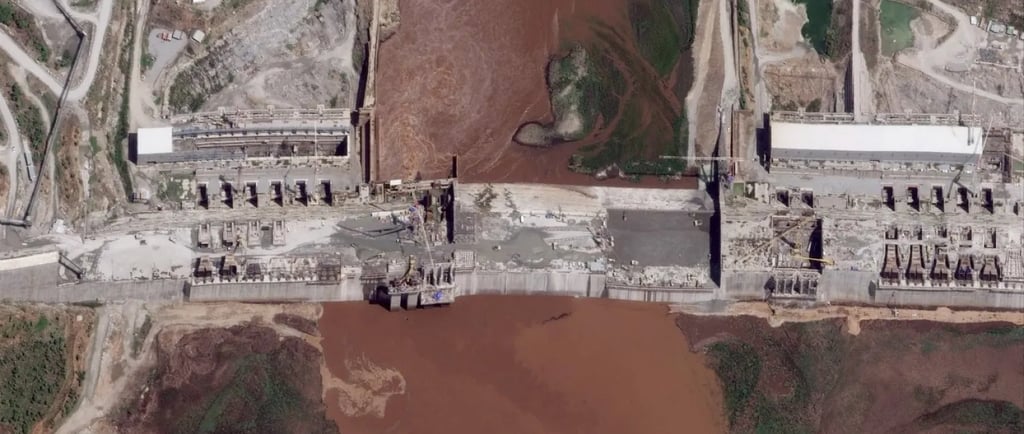
Beyond the Numbers: The Real Stakes of the Nile Crisis
While the data above paints a stark picture of hydrological inequality, the crisis on the Nile is not merely a dispute over cubic meters of water. It is a fundamental clash over history, law, and the future stability of the Horn of Africa.
For years, the narrative surrounding the Grand Ethiopian Renaissance Dam (GERD) has been dominated by a single, emotive story told by Addis Ababa: that Ethiopia is a victim of "colonial" treaties, a rising giant finally shaking off the shackles of the past to claim its birthright.
But does this narrative hold up against the historical record?
The "Colonial Legacy" Myth
One of the most persistent arguments from Ethiopian diplomacy is that current Nile treaties are archaic agreements forced upon the region by European powers. However, a closer look at history reveals a story of sovereign negotiation, not imperial imposition.
The foundational 1902 Treaty was not a dictate to a colonized state, but a strategic agreement between two empires: the British (administering Sudan) and the Ethiopian Empire under Emperor Menelik II. Following its victory at the Battle of Adwa, Ethiopia was expanding its borders, not losing them. The deal was transactional and clear: Britain recognized Ethiopian sovereignty over the Benishangul region—the very land where the GERD sits today—in exchange for guarantees not to arrest the flow of the Blue Nile.
Legally, a state cannot have it both ways. By questioning the water obligations of the 1902 treaty, Ethiopia inadvertently questions the very border demarcation that grants it the land for the dam.
The Legal Battle: "No Harm" vs. Absolute Power
The diplomatic deadlock often centers on how international law is interpreted. Ethiopia champions the principle of "Equitable Utilization," often framing it as a right to equal shares of the river.
However, as the 1997 UN Watercourses Convention outlines, "equitable" does not mean "equal." True equity considers vital factors like population dependency and the availability of alternative resources. By these metrics, Egypt’s absolute reliance on the Nile—opposed to Ethiopia's rain-fed alternatives—weighs heavily.
More critically, the Ethiopian position has consistently sidelined the parallel principle of "No Significant Harm." By executing unilateral fillings of the dam—even during drought years—Addis Ababa violates the core tenet that one state's development should not threaten another's existence.
A Pattern of Evasion
The timeline of negotiations is littered with missed opportunities and broken promises that suggest an intent to evade binding commitments.
2015: Ethiopia signed the Declaration of Principles, agreeing to establish guidelines for the dam's operation. It then proceeded to fill the dam unilaterally four times without them.
2020: During US-brokered talks, a balanced draft agreement was on the table. It included a "drought mitigation" clause—a safety net ensuring water release if levels dropped critically low. Ethiopia walked away at the last minute.
This refusal to sign a binding agreement on drought mitigation is the smoking gun. If the GERD is truly only for electricity generation (which allows water to flow through turbines), why refuse to guarantee that flow during dry years? The resistance suggests ambitions that go beyond power generation—potentially toward hydro-hegemony and future water consumption that would permanently drain the river.
The Domestic Distraction
Why the intransigence? Analysts point to a strategy of "diversionary foreign policy." Plagued by internal conflict in Tigray and Amhara, the Ethiopian government uses the GERD as a nationalist rallying cry—framing compromise as treason to unify a fractured domestic front.
This pattern of unilateralism is not isolated to the Nile. The recent Memorandum of Understanding with Somaliland, which violated Somalia's sovereignty to secure sea access, drew global condemnation. It mirrors the Nile strategy: disregard international law and neighborly sovereignty to achieve expansionist goals.
The Path Forward
The evidence is clear. Ethiopia is not a colonial victim but a sovereign state ignoring the existential needs of its neighbors. True cooperation requires more than rhetoric; it demands a binding agreement that respects Ethiopia's right to develop while protecting Egypt and Sudan from thirst.
Until Addis Ababa moves from unilateral action to shared responsibility, the Nile will remain a source of tension rather than a lifeline of regional prosperity.
Download the full study here.
Follow African Narratives
Amplifying African voices for sustainable progress together.
Contact US
Connect
Street No. 3281, N'Djamena, Republic of Chad.
© 2026. All rights reserved.