A Sea Change: Israel’s Somaliland Gambit and the New Battle for the Red Sea
Farouk Hussein Abu Deif Political Researcher specializing in African affairs
2/2/20263 min read
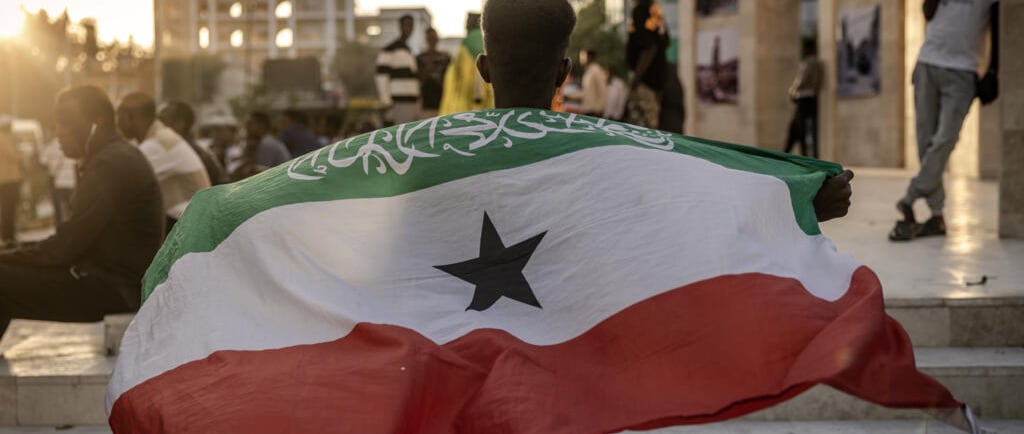
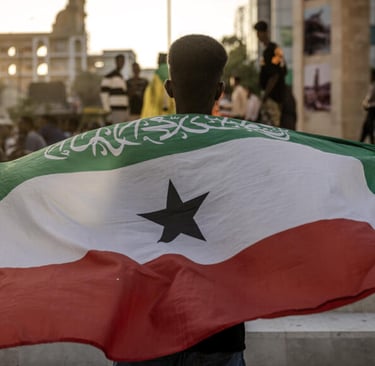
On December 26, 2025, the geopolitical landscape of the Horn of Africa experienced a seismic shift. With a single announcement from Tel Aviv, Israel became the first nation to formally recognize Somaliland as a sovereign state, ending over three decades of "recognition limbo" for the region. While Hargeisa views this as a long-awaited entry into the international community, the move has sent shockwaves through the Middle East and East Africa. This isn't just a diplomatic formality; it is a calculated strategic maneuver that reshapes maritime security, challenges the territorial integrity of Somalia, and introduces a volatile new variable into the struggle for control over the world’s most vital trade corridors.
The "Opportunity Equation": Why Now?
The timing of Israel's decision is no coincidence. It is a direct byproduct of a post-2023 strategic reorientation. Following the Gaza war and the subsequent escalation of Houthi threats to international shipping, Israel found itself in urgent need of "strategic depth."
With its previous regional foothold in Eritrea facing limitations, Israel is now diversifying its presence. Somaliland, with its 850-kilometer coastline facing Yemen and the Gulf of Aden, offers a perfect platform. By moving into the "soft spots" of regional politics—specifically the long-standing friction between the federal government in Mogadishu and the authorities in Hargeisa—Israel has gained a vital observation point near the Bab al-Mandab strait.
Beyond Symbolism: A Partnership Built on Security
This relationship has rapidly transitioned from quiet cooperation to a functional, transaction-focused security partnership. For Israel, Hargeisa is no longer just a diplomatic file; it is a strategic asset.
Intelligence and Surveillance: Somaliland’s geography allows for advanced maritime monitoring and early warning systems to counter Houthi activity and Iranian influence without requiring a direct military presence in Yemen.
A "Safe Environment": Unlike the more turbulent regions of Somalia, Somaliland maintains a degree of institutional cohesion and a pro-Western elite. The absence of major jihadist groups makes it a reliable partner for long-term intelligence and logistical arrangements.
The Abraham Accords Framework: By partnering with a stable, Muslim-majority African entity, Israel is attempting to broaden the logic of normalization across the continent, proving it can transcend traditional diplomatic barriers.
The Firestorm: Regional Backlash and the Defense of Unity
The international response was swift and almost universally critical. The move is seen by many not as a step toward stability, but as a catalyst for regional fragmentation.
Mogadishu has labeled the recognition a "direct assault on sovereignty," fearing it will embolden other secessionist movements across Africa. Meanwhile, Egypt has spearheaded a diplomatic counter-offensive. For Cairo, an Israeli security presence at the southern entrance of the Red Sea represents "strategic congestion." Egypt views this as a threat to its role as the primary guarantor of maritime stability and fears that any disruption to navigation could have immediate economic consequences for the Suez Canal.
A massive coalition—including Türkiye, Saudi Arabia, Nigeria, and the African Union—issued a joint statement on the day of the announcement. They condemned the move as a "dangerous precedent" that violates the UN Charter. The concern is shared: if the map of the Horn of Africa can be redrawn unilaterally, the "inherited borders" of the entire continent may no longer be secure.
Strategic Scenarios: What Happens Next?
The recognition of Somaliland has initiated a period of profound uncertainty. We are likely to see one of four paths emerge:
The Recognition Contagion: Israel’s move could break the international "ice," leading other landlocked states—most notably Ethiopia—to follow suit in exchange for sea access.
The Pressure Freeze: Intense opposition from the UN and the Arab world may force Israel to "freeze" formal diplomatic ties (like opening an embassy) while maintaining "under-the-table" security and intelligence cooperation.
Internal Destabilization: The move could deepen the rift between Mogadishu and Hargeisa, potentially leading to military escalation or allowing groups like Al-Shabaab to exploit the narrative of "external interference."
The Negotiating Lever: Tel Aviv may use the Somaliland file as a bargaining chip in broader Middle Eastern negotiations, leveraging its presence in the Horn to influence post-war arrangements in Gaza.
Final Thoughts
Israel’s recognition of Somaliland is far more than a symbolic gesture; it is a high-stakes gambit to redraw the map of influence in the Red Sea. While it offers Hargeisa a historic opportunity for legitimacy, it simultaneously threatens a fragile regional architecture. Whether this move leads to a new era of maritime security or serves as a catalyst for further fragmentation will depend on how the international community manages the fallout of this new geopolitical reality.
Download the full study here.
Follow African Narratives
Amplifying African voices for sustainable progress together.
Contact US
Connect
Street No. 3281, N'Djamena, Republic of Chad.
© 2026. All rights reserved.